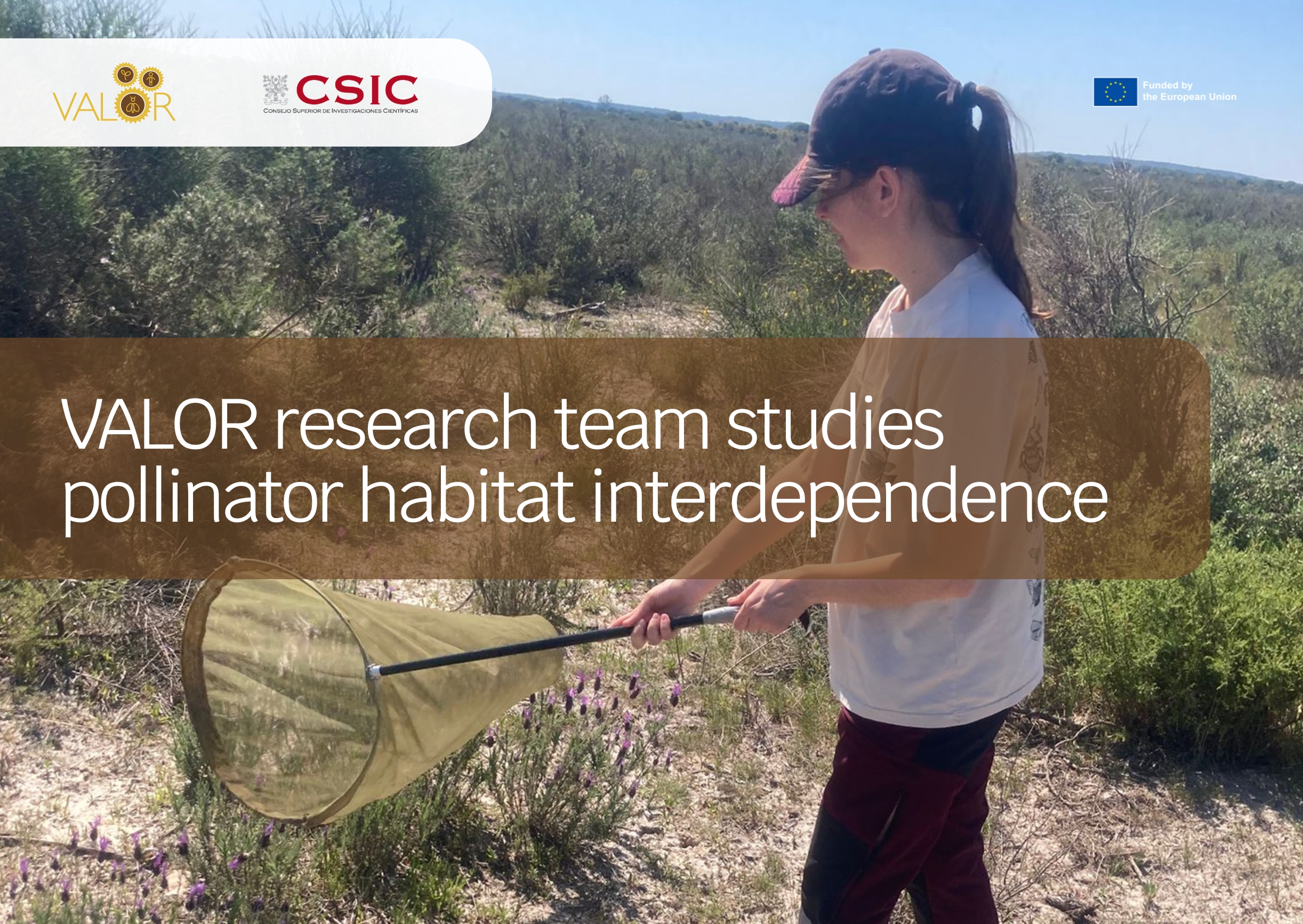
VALOR researchers study pollinator habitat interdependencies in Doñana National Park
Researchers from the Estación Biológica de Doñana (EBD-CSIC) recently conducted fieldwork at the border between Doñana National Park and the intensive strawberry crops grown under polytunnels in the surrounding area. The park is part of the Guadalquivir Productive Plains in Spain, one of VALOR’s focal regions.
The team is recording plant-pollinator interaction networks across different habitat types - including the patches of lavender inside the park and the polytunnels outside of it.
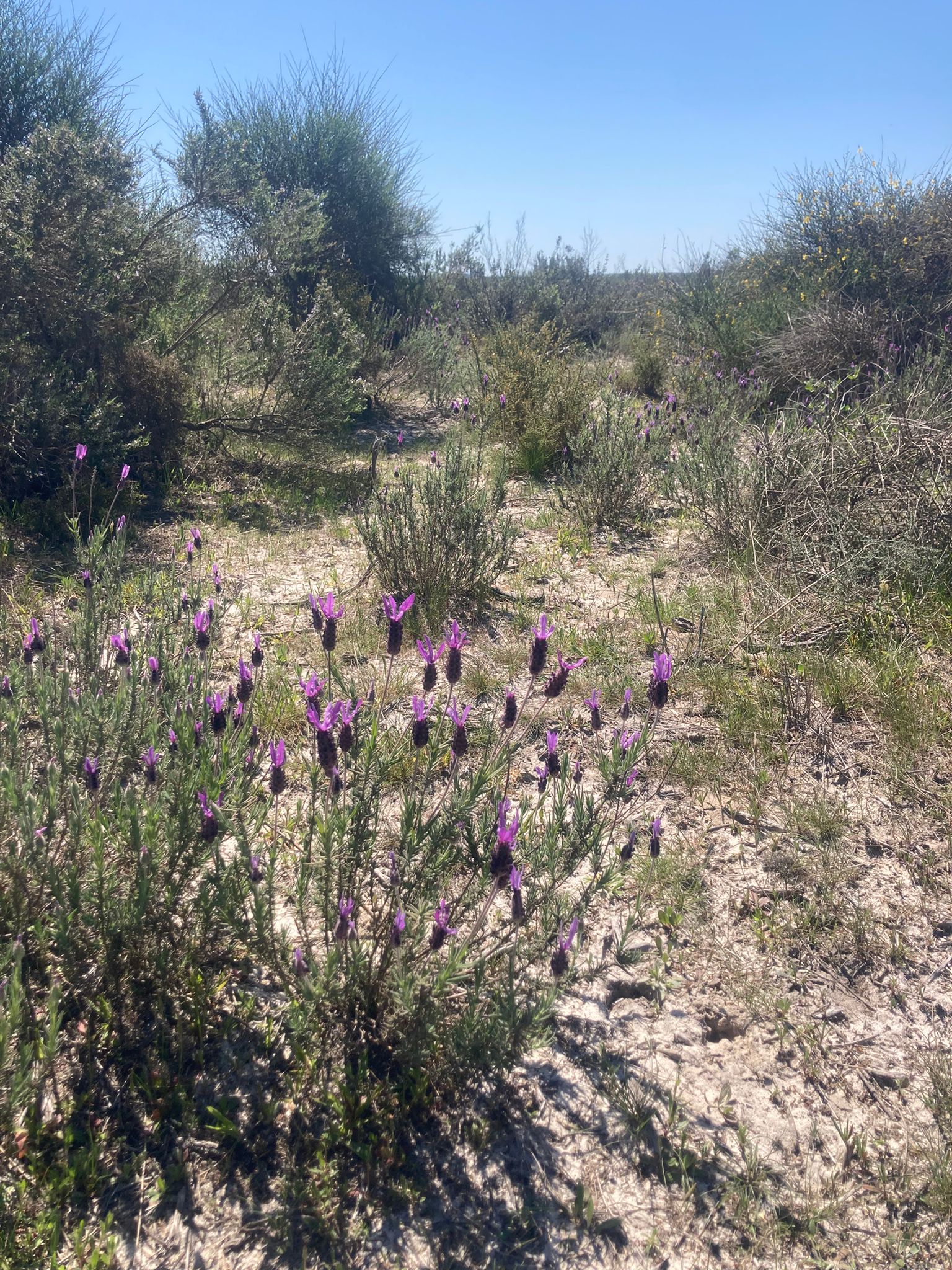 Lavender patch in Doñana National Park
Field observations include bumblebees (Bombus terrestris) foraging on opportunistic plants like Valeriana that have established themselves inside the tunnels.
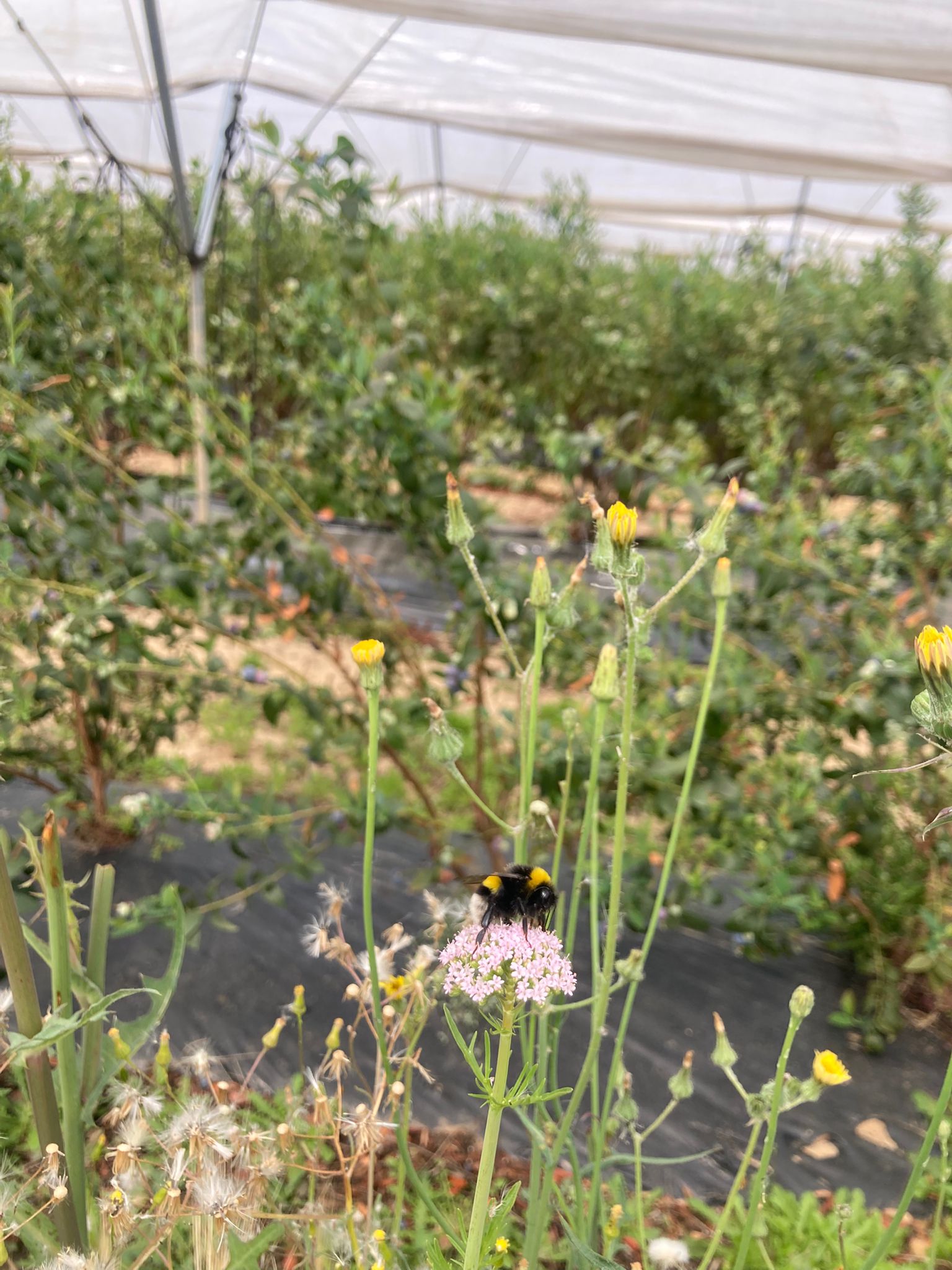 Bombus terrestris foraging on Valeriana
Much of what scientists know about how pollinators support ecosystem stability is still theoretical. VALOR aims to change this by combining field data with recent advances in modelling to produce more reliable predictions of how pollinator communities behave under pressure.
An important part of this is treating pollinator networks as interconnected rather than as isolated systems. The project maps plant-pollinator interactions across multiple habitat patches - including within crops - and links these to data on birds and other species that depend on the same plants. This allows researchers to trace how changes in pollinator activity in one habitat can affect the wider food web.
The goal is to better understand how wild plants and crops are affected when pollinator communities change - and to develop tools to anticipate those changes before they happen.
Learn more about CSIC's role in VALOR: